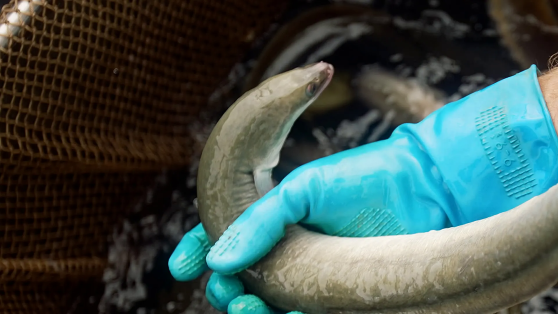
The population of the European eel has collapsed by more than 90% since the 1980s.
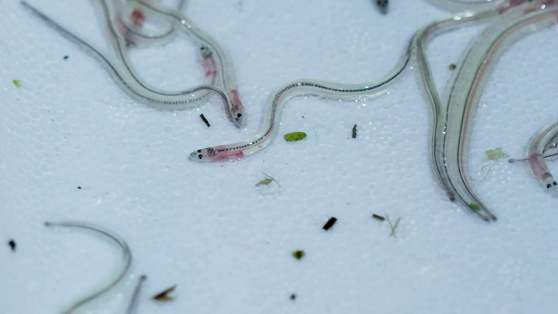
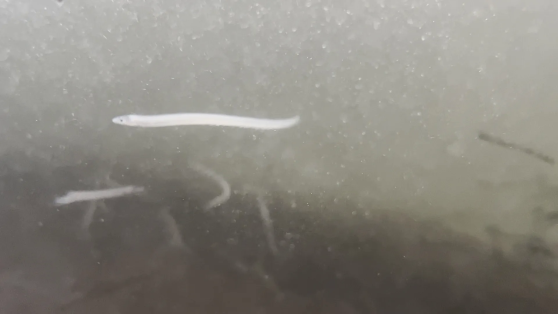
Yet, dozens of tonnes of juveniles, known as glass eels, are thought to be poached
each year and shipped live to aquaculture farms outside Europe.
The ban on all exports of European eels outside of the EU in 2009, whetted the appetite of organised crime, an illicit trade which continues across the continent
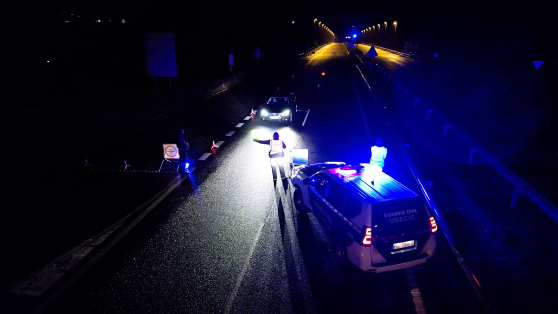
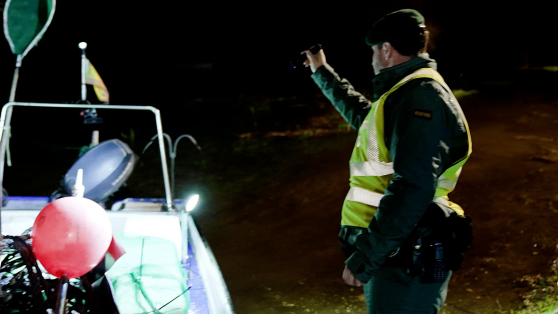
Launched in 2015, Europol's operation LAKE has resulted in record seizures of poached specimens transiting through clandestine facilities in several European countries, and the arrest of so-called “mules” carrying glass eels concealed in suitcases through major European airports.
“They add ice to slow down their metabolism and inject oxygen so the glass eels can survive the trip to Asia. There, they are raised in fattening farms in order to produce eel fillets for consumption”, explains Captain Daniel Barturen García, of Spain's environmental police SEPRONA.
One kilogram of glass eels – which are just a few centimeters long – can yield more than a tonne of adult eels, driving black market prices in Asia to as much as €6,000 per kilogram. This illegal trade is estimated to generate up to €2-3 billion in peak years.
Technology steps in to support customs officers
Mixed consignments and false declarations are practices used by traffickers to circumvent existing protections for the European eel. For customs officials, visually distinguishing between certain eel species at the juvenile stage is nearly impossible. The same problem arises for eels that are traded processed, for example in the form of smoked fillets.
Private companies and universities are now developing faster and more affordable DNA testing kits, allowing law enforcers to identify the eel species contained in a shipment within minutes, compared to several days previously.
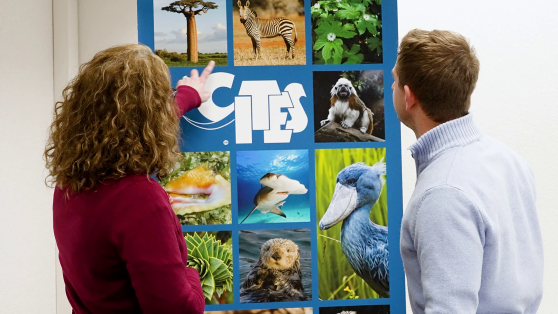
“In North America, while testing eel consignments, they found that a lot of what was imported as American eel or Japanese eel was, in fact, European eel, which was illegal,” Barend Janse Van Rensburg, Chief of the Enforcement Unit at the CITES Secretariat, told Euronews. CITES is the Convention on International Trade in Endangered Species of Wild Fauna and Flora.
“DNA technology can also help authorities to take that evidence to court for the offenders to be prosecuted. A seizure in itself is not always a success. You must find the people behind this illegal trade,” Barend Janse Von Rensburg added.
A borderless organized crime
According to Europol, eel traffickers come from different nationalities depending on their role, whether in fishing, storage, transport, or reception of the poached animals. Known cases have involved transit through countries far from fishing grounds, such as Cyprus, Morocco and Senegal.
“There are complex money-laundering structures, sometimes operating at the corporate level across several countries,” explains Jose Adrian Sanchez Romero, from INTERPOL's Environmental Security Sub-Directorate.
Sanchez Romero says one of INTERPOL’s missions is “to map these criminal networks” and “to connect the countries where arrests take place with countries from where the financing comes, which are often the destination countries”.
Eels cannot yet be successfully bred in captivity on a commercial scale. Historically, Asian farms depended primarily on the local species, the Japanese eel. The sharp decline of that species in recent decades has fueled rising demand for European eel, a species listed as “Critically Endangered” by the International Union for Conservation of Nature (IUCN).
International cooperation is key
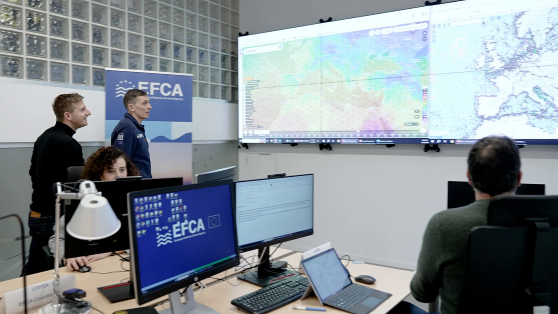
While enforcement cooperation between EU member states and agencies such as Europol, the European Anti-Fraud Office (OLAF), and the European Fisheries Control Agency (EFCA) has produced tangible results, strengthening global partnerships between sources, consumers, and transit countries remains central to the EU’s 2022–2027 action plan against wildlife trafficking.
“We need to see more such efforts to tackle the scale, sophistication and complexity of smuggling operations”, Jessika Roswall, EU Commissioner for Environment, told Euronews.
In late 2025, at the latest COP20 of CITES in Samarkand, Uzbekistan, the Parties adopted a resolution on eels that notably calls for enhanced international cooperation on eel trade and management.
Last October in Bangkok, the EU took part in the 9th Wildlife Inter-Regional Enforcement (WIRE) Forum, organized by the United Nations Office on Drugs and Crime, which brought together participants from 35 countries across Asia, Africa, and Europe for multilateral and closed-door bilateral exchanges.
“These discussions resulted in investigations that resulted in seizures, arrests and prosecutions,” According to Barend Janse Van Rensburg. “Wildlife crime is a global issue and eels are no exception. You can't address this issue without international collaboration,” he says.


Source, Global crackdown on the ‘Eel Mafias’ behind a billion-euro wildlife crime | Euronews